

Resources

SwitchDin partners with Viva Energy to accelerate Ultrafast EV charging rollout
Viva Energy needed to bring ultrafast EV charging to sites with limited grid capacity. See how SwitchDin helps coordinate solar, battery storage and chargers while protecting site operations.
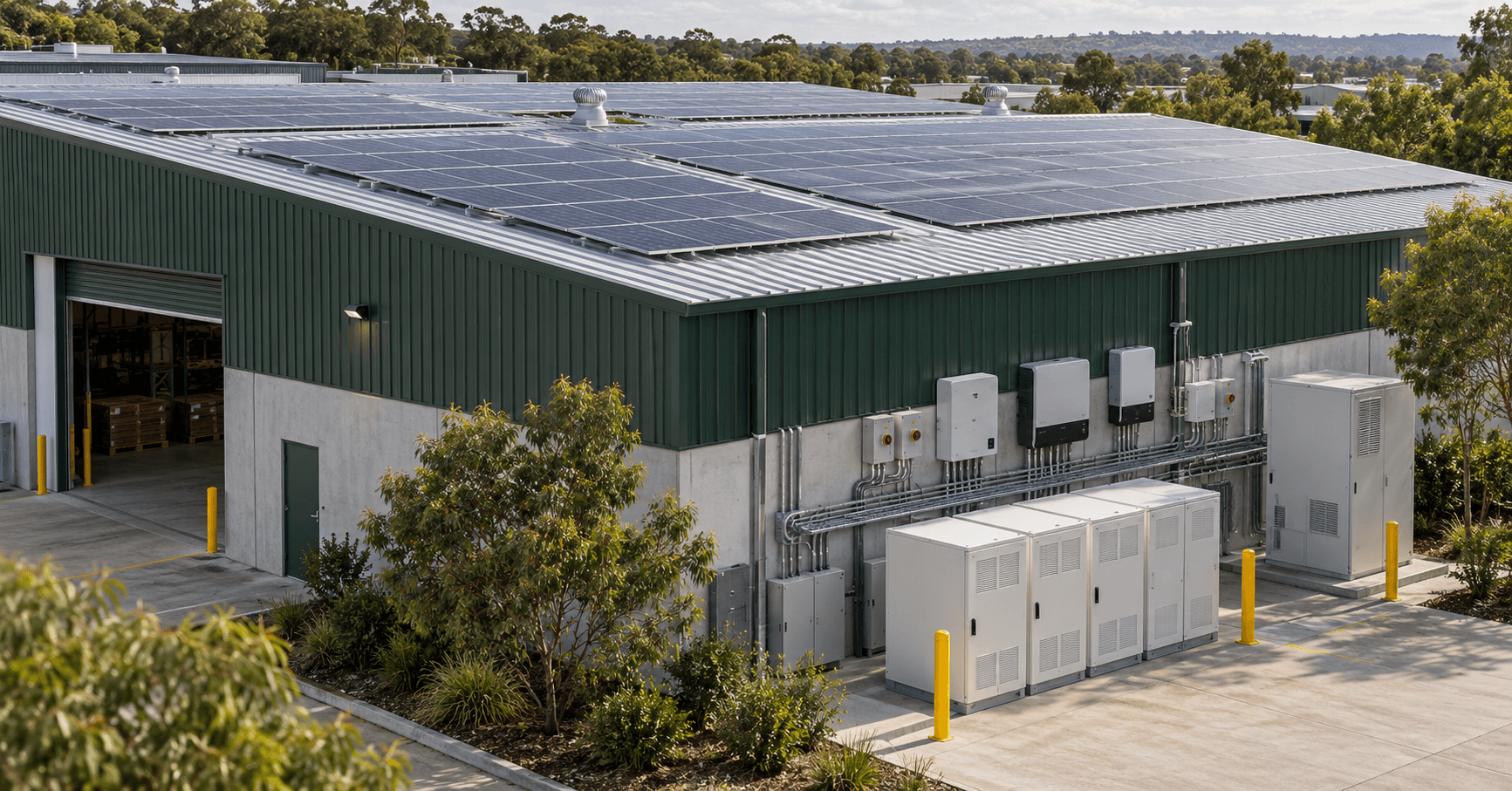
Beyond interoperability: what it takes to control DER fleets at scale
Discover how SwitchDin helped connect and coordinate approximately 900 DER assets across more than 500 homes and businesses in Project Symphony.



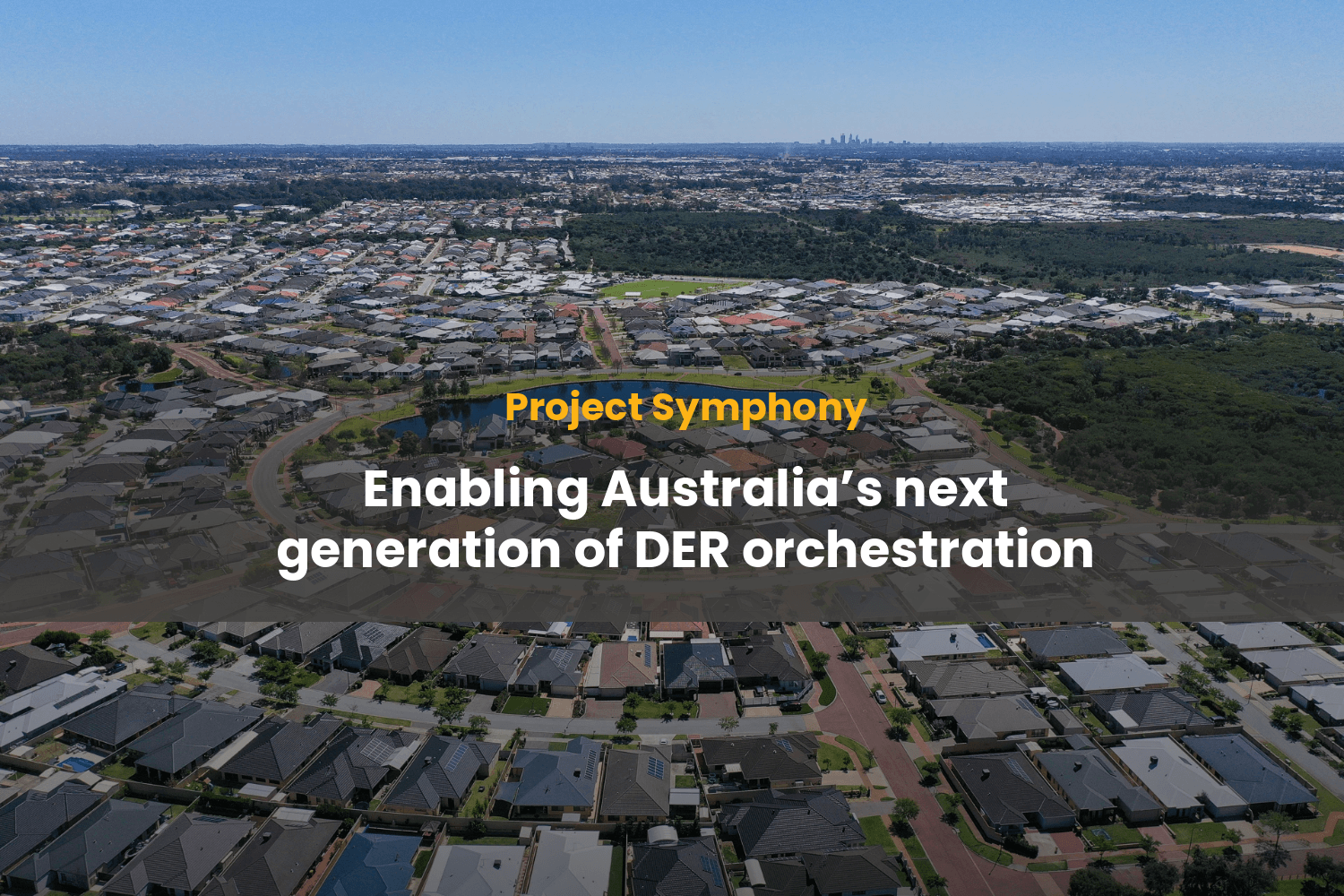
Project Symphony: Enabling Australia’s next generation of DER orchestration
Discover how Project Symphony coordinated more than 900 distributed energy assets across 500 homes and businesses, demonstrating how customer-owned DER can support both electricity networks and energy markets through secure, intelligent orchestration.

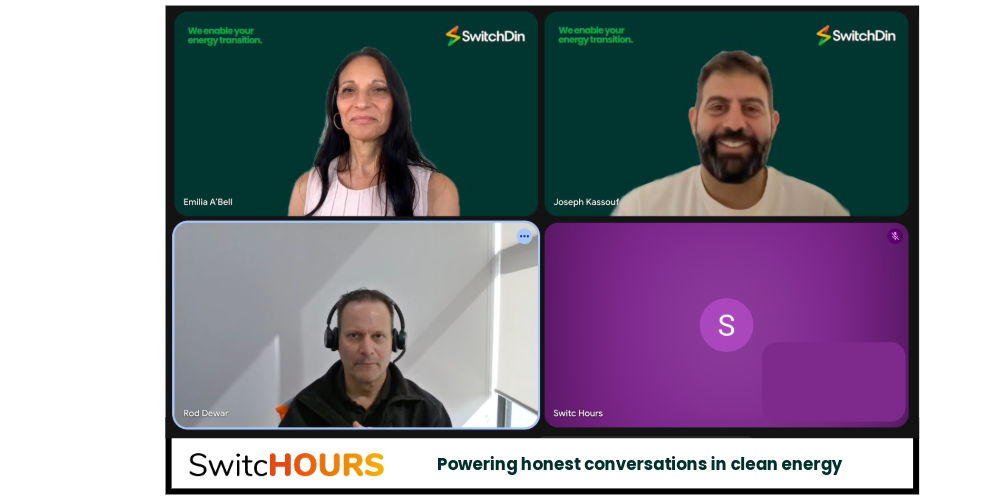
The all-electric future: Are we making energy simpler or more complicated?
The clean energy transition is supposed to be the great simplification — fossil fuels out, clean electrons in. But ask anyone actually building in this space and a different picture emerges. For our first SwitcHOURS session, Rod Dewar (Fronius Australia) and Joseph Kassouf (Switched In) got into the parts of the all-electric future that don't make it onto the brochure.
SwitchDin recognised for leadership in distributed energy optimisation
We are delighted to share that SwitchDin has been recognised by Energy Tech Review APAC 2026 as the Distributed Energy Asset Optimisation Software Company of the Year.

Newcastle City Council: Achieving an ambitious Net Zero emission target through distributed solar assets
Newcastle City Council is using SwitchDin technology to unify real time energy monitoring, support decarbonisation, and progress towards Net Zero Emissions through large scale solar, emerging technologies, and smarter energy storage and electrification.

SwitchDin empowers Lake Maquarie City Council to deliver reliable and cost-efficient EV charging
Lake Macquarie City Council deployed SwitchDin’s Virtual Energy platform to deliver reliable EV charging at a grid constrained site. Integrated control of solar, batteries and chargers keeps demand safely capped, avoids costly peaks and supports the Council’s long term sustainability goals.
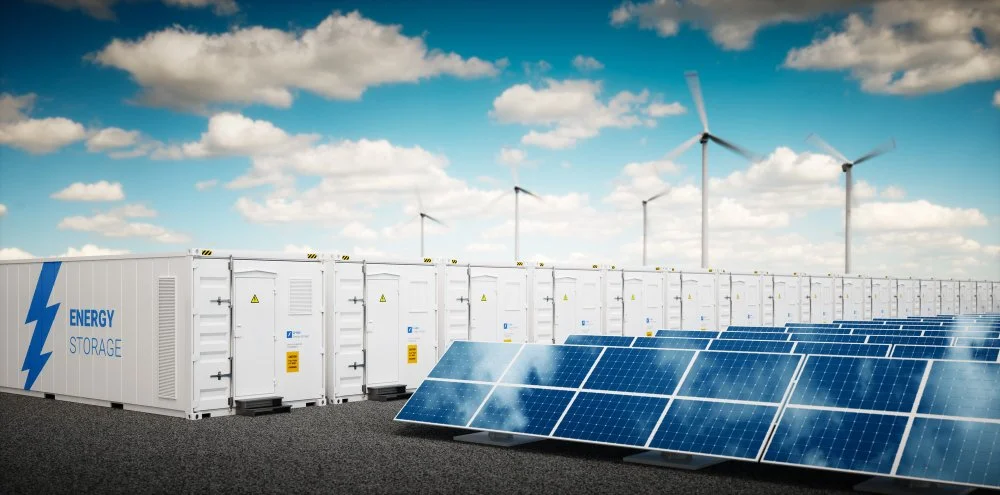
The ROI imperative: Five strategic levers to get more from your energy assets
Why static energy control strategies underperform in a volatile, constrained grid
How orchestration improves ROI by coordinating demand, storage, and market participation
How organisations reduce demand charges, defer grid upgrades, and unlock new revenue from the same assets
In this white paper, we explore how organisations are moving beyond passive energy management and unlocking stronger returns from the assets they already own. You will find practical insights into how orchestration is changing where energy value is created, and what that means for commercial, operational, and strategic decision making.

How SwitchDin optimises City of Yarra Community facilities from grid constraints to greater returns
The City of Yarra is accelerating its path to zero carbon emissions by 2030 through optimised solar and battery deployments across council facilities. By integrating SwitchDin’s optimisation technology, the Council expects to cut energy costs by up to 91 percent, shorten payback periods by 23 percent, and maximise the value of its clean energy assets, setting a benchmark for community led renewable energy outcomes.
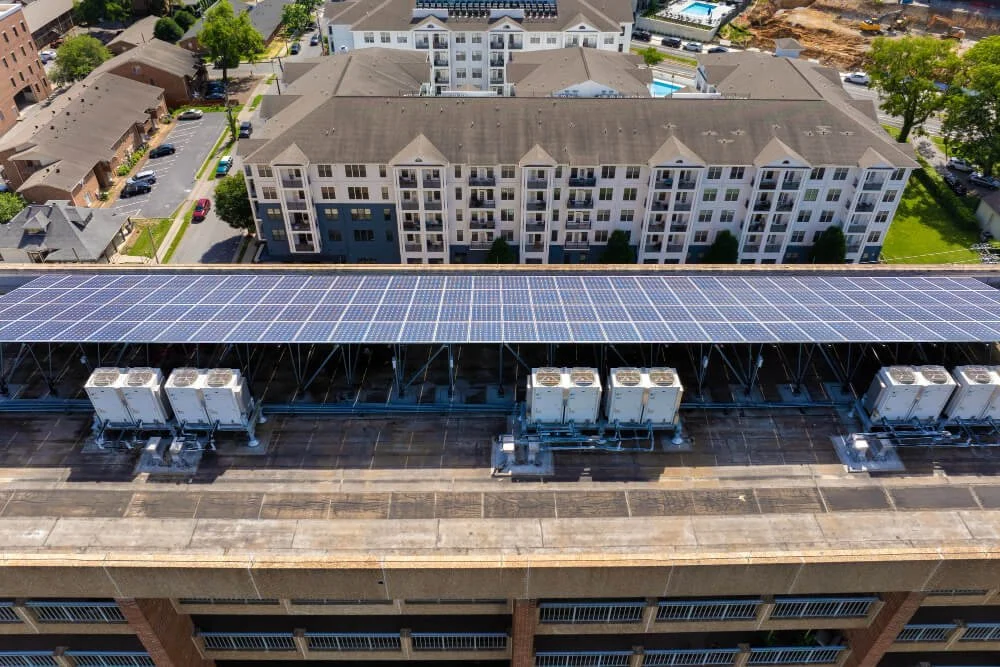
From constraints to renewable abundance: Enabling Horizon Power’s massive rooftop solar growth in remote microgrids
Horizon Power, Western Australia’s regional utility, partnered with SwitchDin to enable greater rooftop solar adoption across remote microgrids. Through a pilot in Onslow, the project demonstrated how customer owned solar and battery systems can be safely integrated using open standards, supporting continued network growth while advancing decarbonisation goals.
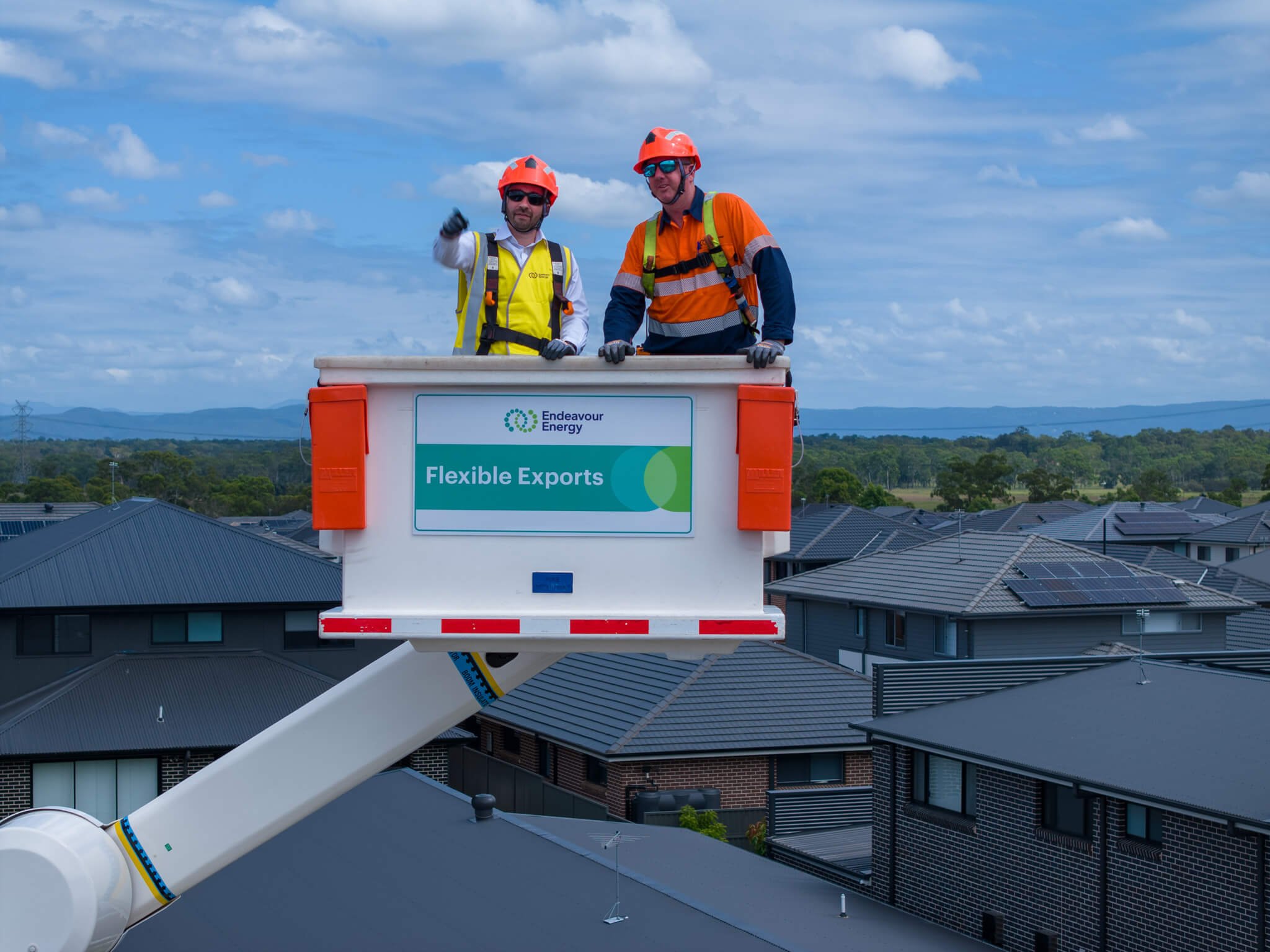
Building confidence for a rooftop solar powered future with Endeavour Energy
Endeavour Energy, a Distribution System Operator serving over one million customers across Sydney’s Greater West, the Blue Mountains, the Southern Highlands, Illawarra, and the South Coast of NSW, partnered with SwitchDin to address this challenge through an initial distributed energy resource pilot.
The pilot focused on managing 1,200 customer sites using Sungrow devices, with the objective of gaining visibility and control over rooftop solar systems through a single interface. By leveraging SwitchDin’s Grid Services Function and the IEEE 2030.5 industry protocol, Endeavour Energy demonstrated a scalable and standards based approach to distributed energy resource management.
The outcome positioned Endeavour Energy to confidently support future growth in rooftop solar and batteries while maintaining operational reliability and grid stability.

How to prevent control breakages in C&I inverter integration at scale
Getting inverter control to work in a lab is easy. Making multiple inverter brands, batteries, and firmware versions behave consistently across live C&I sites is the real challenge. This blog outlines five common causes of integration breakages, why standards like IEEE 2030.5 are helping but not solving everything, and how SwitchDin de-risks multi-vendor integrations through disciplined change management, AI-assisted engineering, and optimisation at scale.